429 Too Many Requests
Sidewalls and wedges for your veranda
Easily and stylishly close the side of your veranda
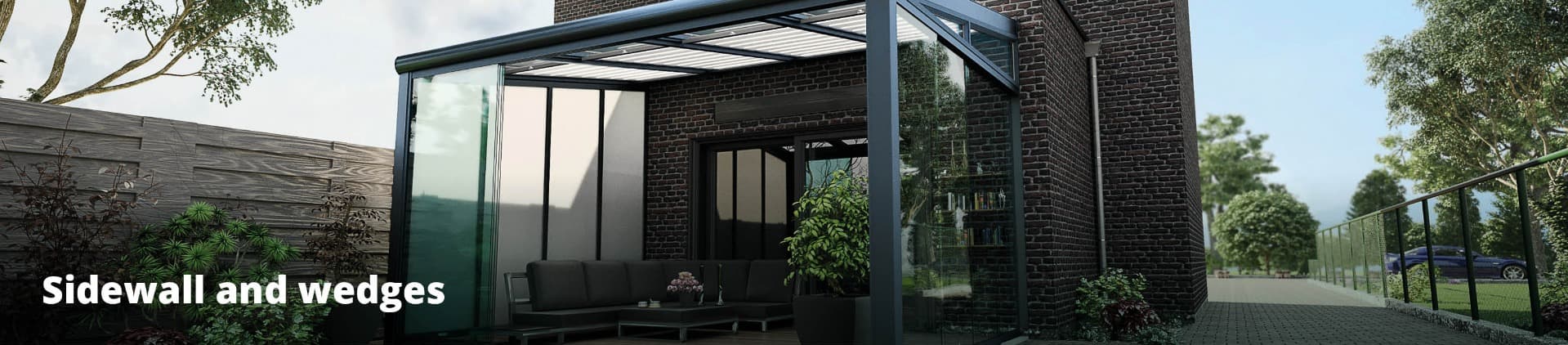
Create a sheltered and stylish outdoor veranda or patio cover with the Gumax® sidewalls and wedges. Whether you're looking to close part of your veranda or the entire side, our solutions help you create the perfect garden veranda with sides. With an aluminium or polycarbonate wall, you can fully enclose the side of your veranda. Prefer partial coverage? Use wedges to close off part of the side. The glass wedge can be combined with a glass sliding door or aluminium sidewall. The polycarbonate wedge on fence fills the space between your veranda and your fence and/or wall. Find out which option suits your needs.
What is the difference between sidewalls and wedges for your veranda?
A sidewall closes off the side of your veranda or patio cover and offers optimal protection against wind and rain. But what is a wedge? It’s a triangular panel that fills the space between the veranda roof and the sidewall, the glass sliding door or the garden fence. When combined with an aluminium sidewall, a wedge also provides slightly more visibility, while still keeping your veranda neat and sheltered.

Aluminium sidewall
 Strong veranda side panel with a spacious lookInstallation from the insideChoice of frame in 3 colours and panels 2 colours.

Polycarbonate sidewall
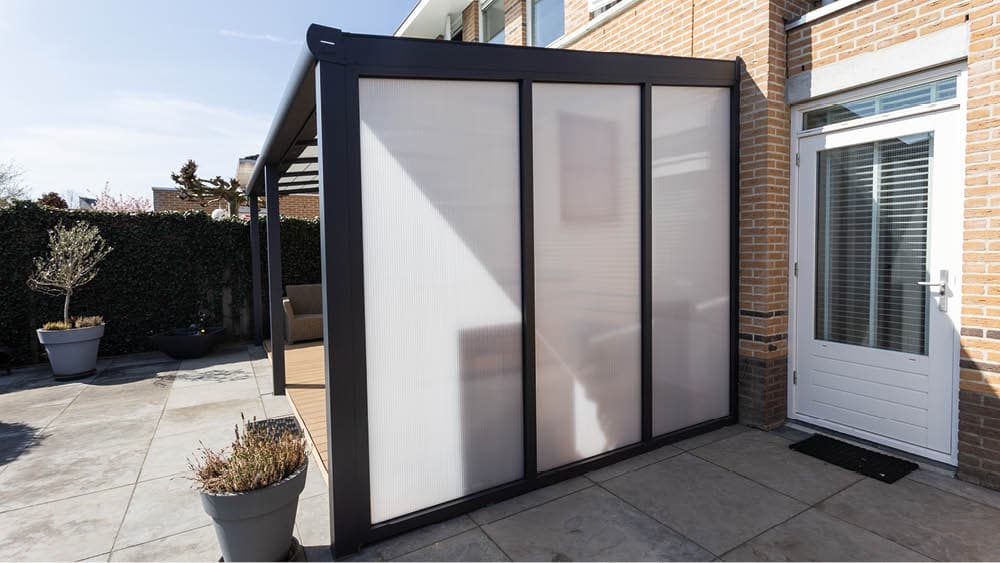
Light pergola side wallMore privacy while retaining lightLets in soft & diffused light
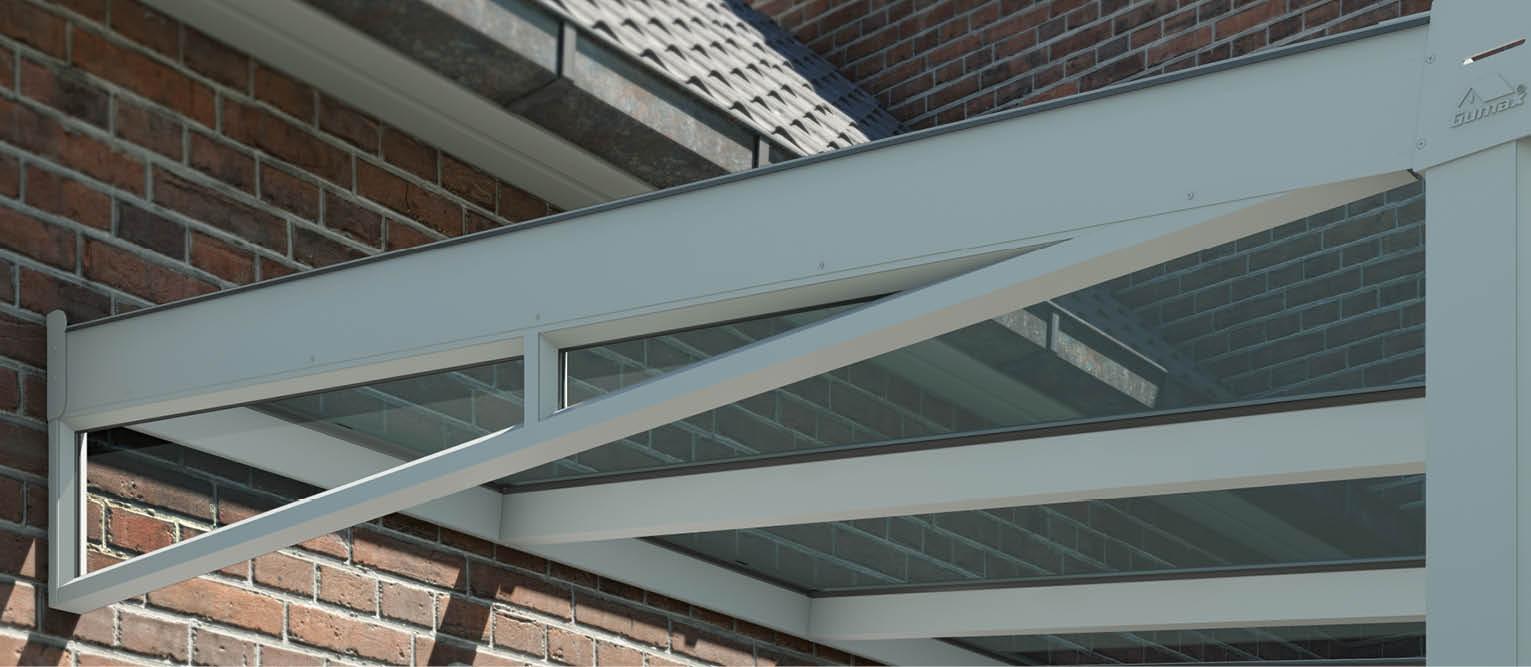
Glass wedge
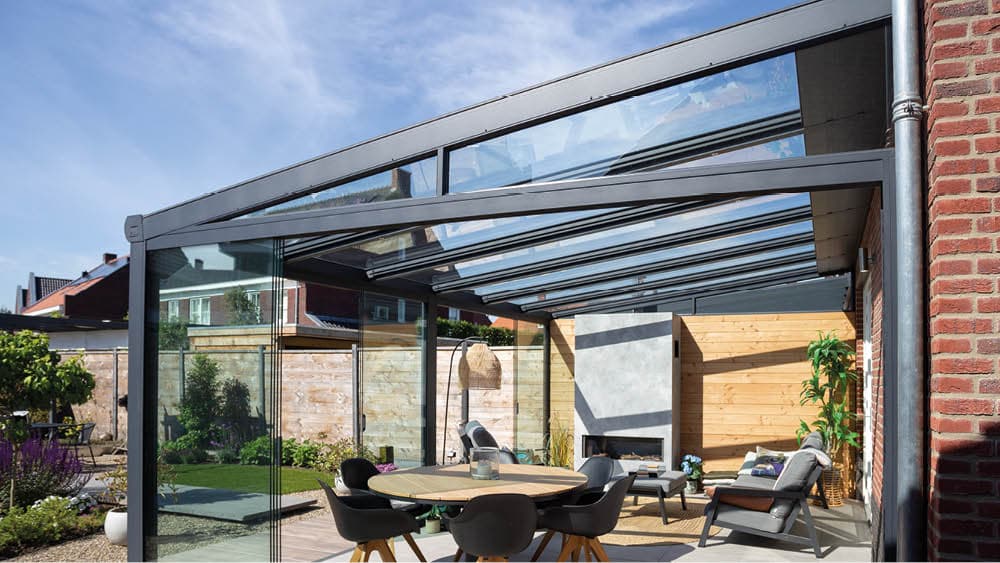
Lets in plenty of daylightRequired when fitting a glass sliding door to the side of your verandaPrivacy foil for extra privacy
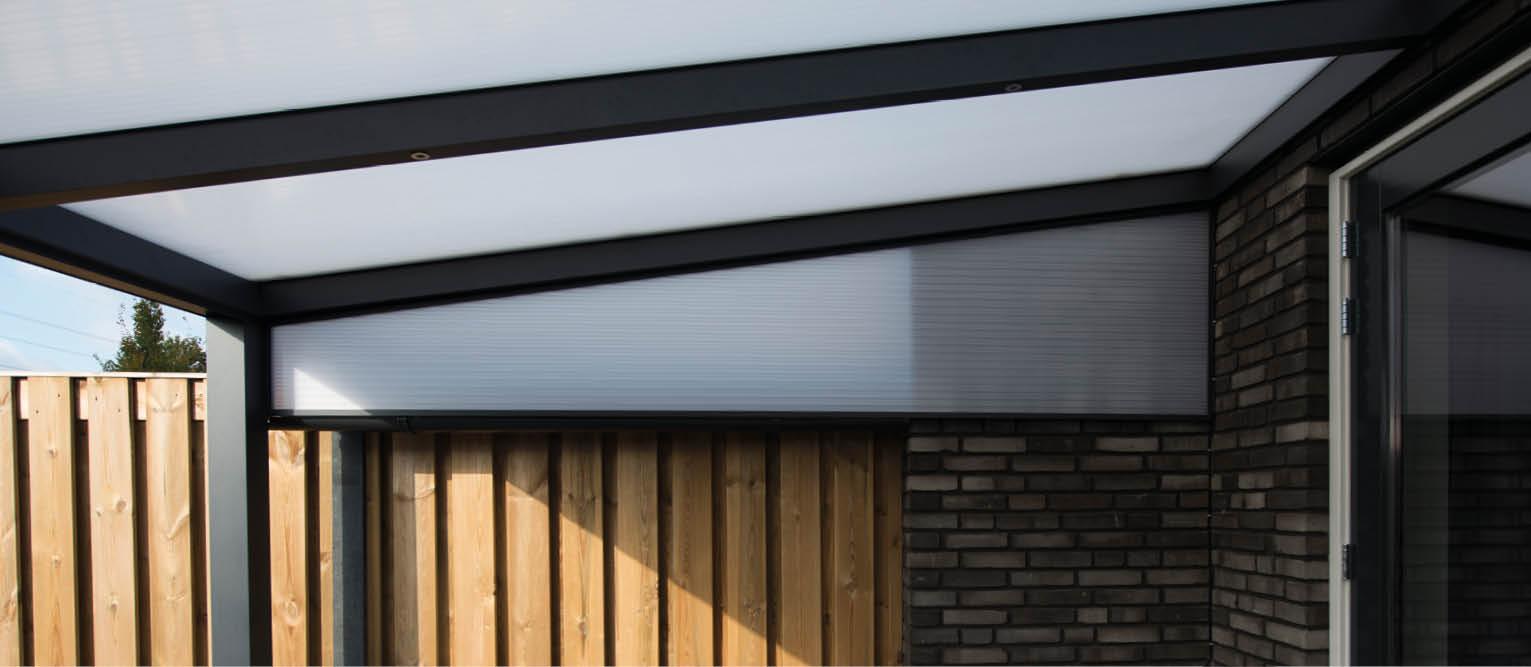
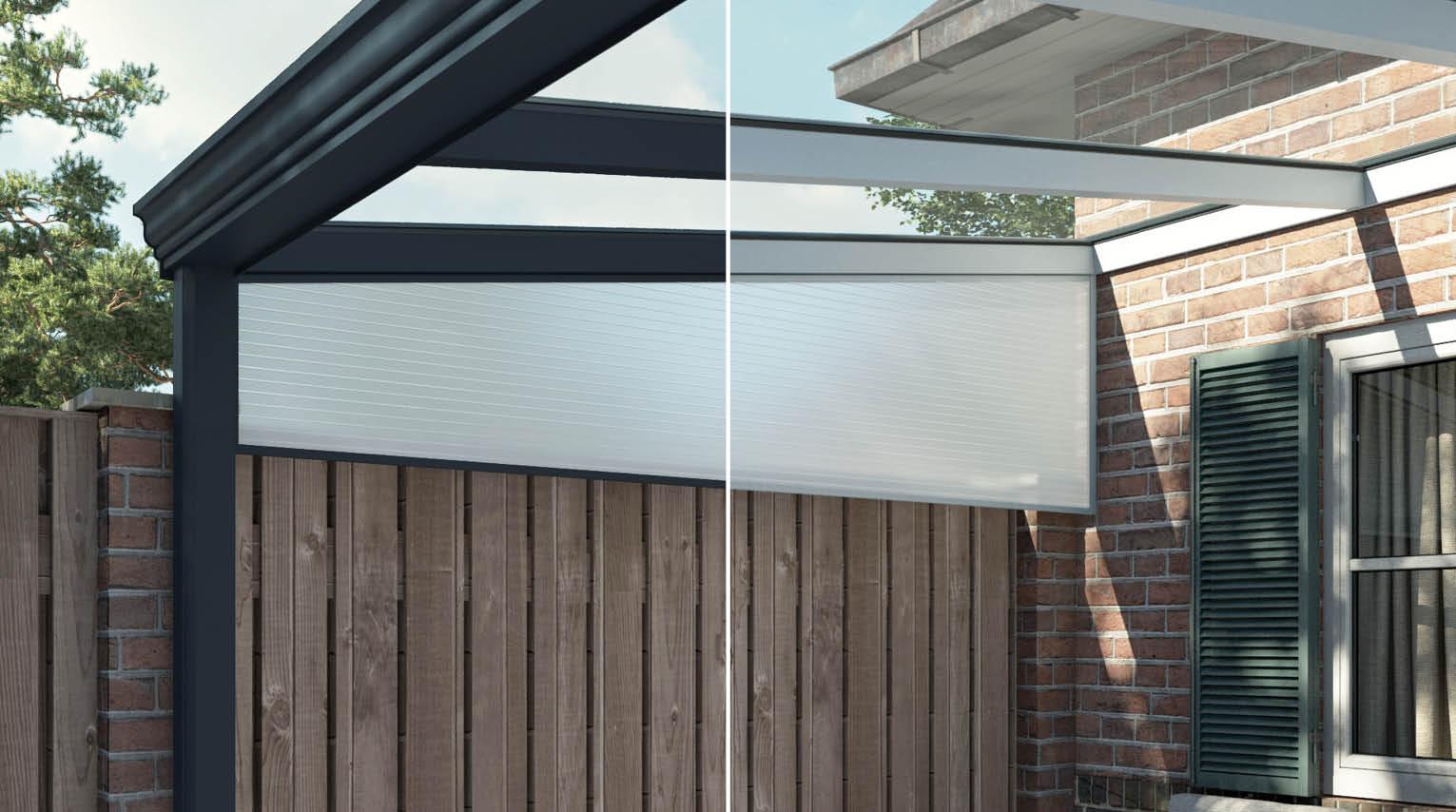
Polycarbonaat wedge on fence
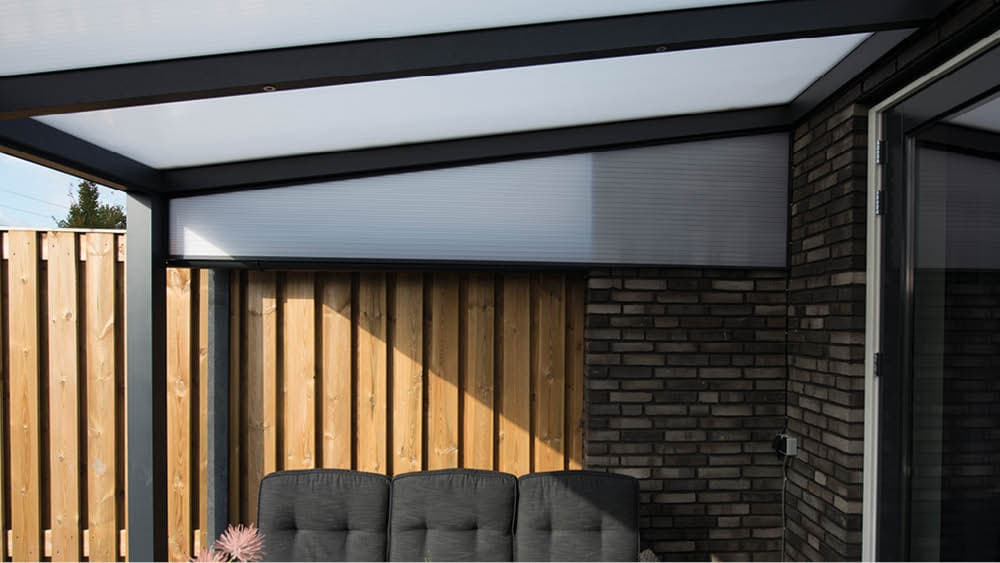
Clean enclosure between veranda and fenceProtects against rain and wind from the sideReduces visibility to neighbours

Material and use of sidewalls
Aluminium sidewall
The aluminium sidewall consists of an aluminium frame with aluminium panels. You easily install the frame and side panels from inside the veranda. The rubber strips clamp the panels into the frame, ensuring an extra strong sidewall resistant to changing weather conditions.
Polycarbonate sidewall
The polycarbonate wall consists of an aluminium frame and sheets of opal polycarbonate. These types of polycarbonate veranda side panels ensure soft, diffused light. Allowing you to enjoy both shelter and gentle lighting at the same time.

Material and use of wedges
Glass wedge
The 8° glass wedge is made of aluminium and tempered glass. The glass provides good light transmission. Want more privacy? Reduce visibility with privacy foil. With the glass wedge, the headroom is the same on all sides of the veranda. This wedge is therefore needed to install a glass sliding door on the side of the veranda. Or use it in combination with an aluminium sidewall. This gives you extra privacy but retains light.
Polycarbonate wedge on fence
The polycarbonate wedge on fence consists of an aluminium frame and a sheet of opal polycarbonate. This type of polycarbonate ensures soft, diffused light and thus a calm atmosphere. The polycarbonate wedge seals the open space between your veranda and your fence. This way, you enjoy extra privacy and protection from the weather.
Dimensions
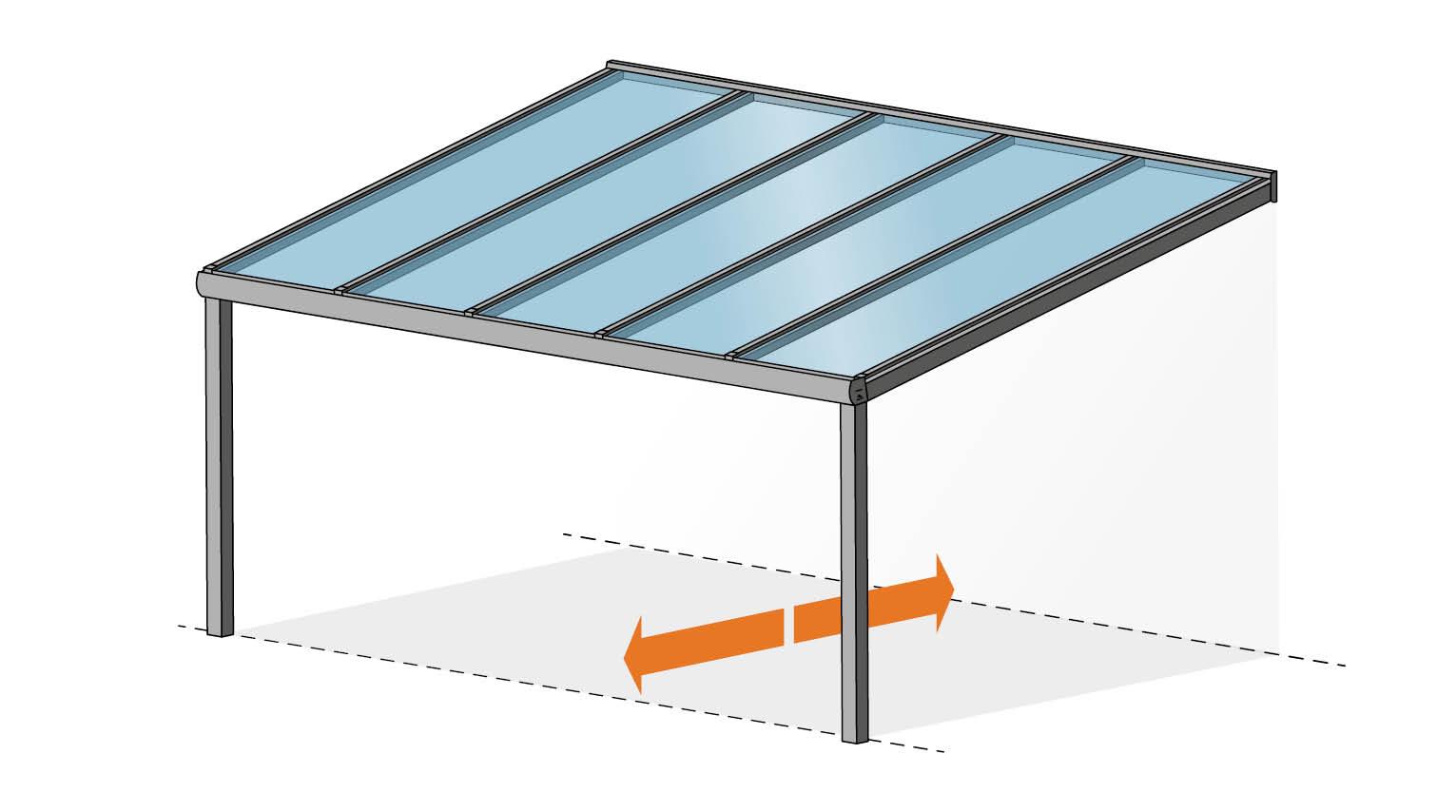
The dimensions of the Gumax® sidewalls and wedges match the depths of the Gumax® verandas: 2.5 m – 3 m – 3.5 m – 4 m.
Do you have a different depth, smaller than 4 m?
Then you can shorten the polycarbonate sidewall and polycarbonate wedge on fence as required. The glass wedge and the aluminium sidewall are delivered as a complete package and can therefore not be shortened.
Looking for inspiration? Find out what your ideal composition means for veranda costs.
Dimensions
The dimensions of the Gumax® sidewalls and wedges match the depths of the Gumax® verandas: 2.5 m – 3 m – 3.5 m – 4 m.
Do you have a different depth, smaller than 4 m?
Then you can shorten the polycarbonate sidewall and polycarbonate wedge on fence as required. The glass wedge and the aluminium sidewall are delivered as a complete package and can therefore not be shortened.